
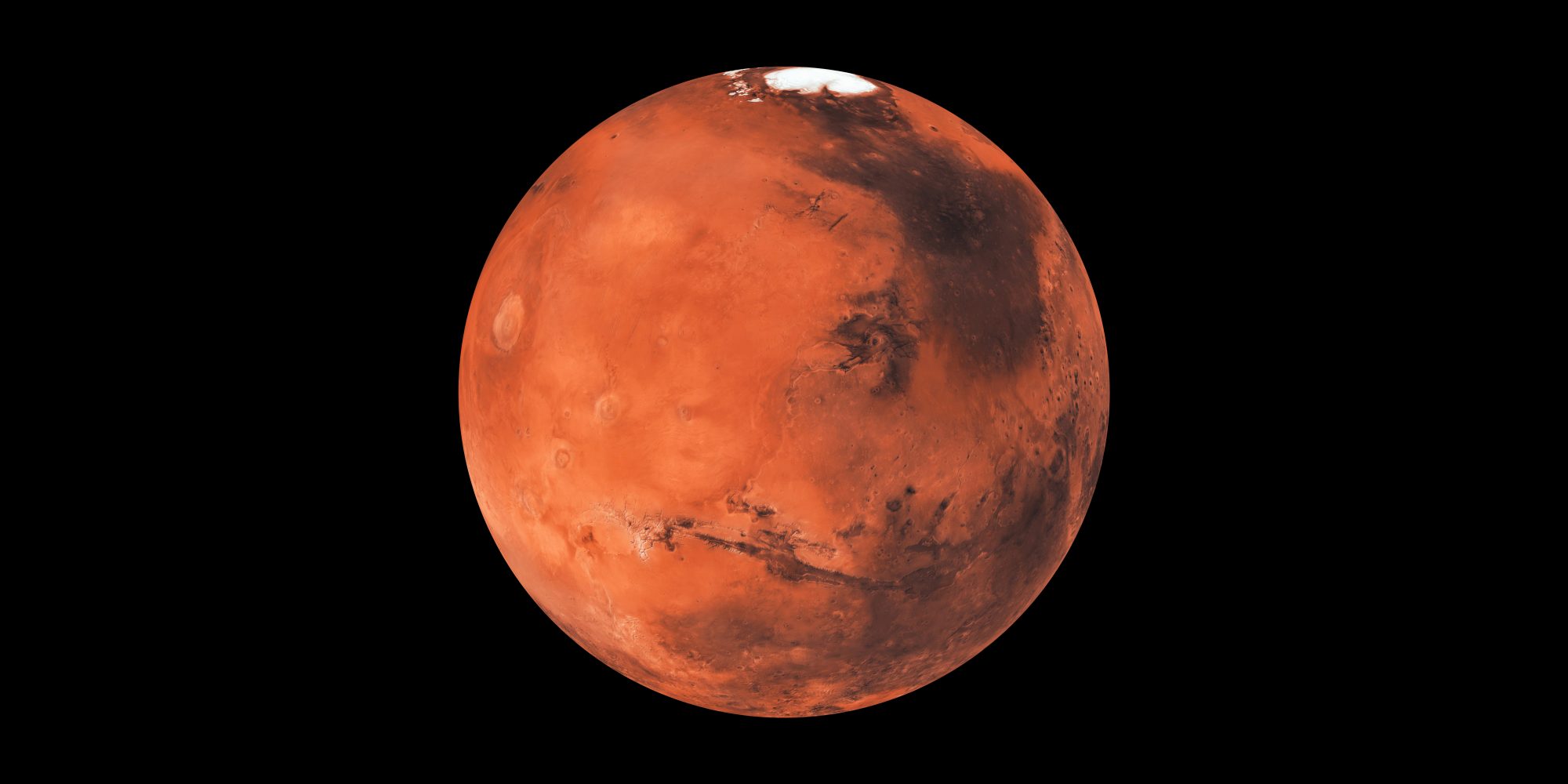
Mars
Mars, the red planet, captivates with its rusty landscapes and the tallest volcano and deepest canyon in the solar system, sparking our imagination about the possibility of life beyond Earth.
Exploring the Red Planet: Mars unveiled
Alright, space enthusiasts, buckle up because we're about to embark on a journey to the fourth rock from the Sun - Mars! This rusty, enigmatic planet has captured the imagination of scientists and dreamers alike for centuries, and for good reason. Let's dive into what makes Mars so fascinating, from its main characteristics to the latest buzz in manned and unmanned missions.
First off, let's talk about the basics. Mars is often referred to as the “Red Planet” due to its reddish appearance, caused by iron oxide (rust) covering its surface. It's about half the size of Earth, with a day length roughly similar to ours (just a tad longer at 24 hours and 37 minutes). However, its year is almost twice as long as ours, coming in at around 687 Earth days.
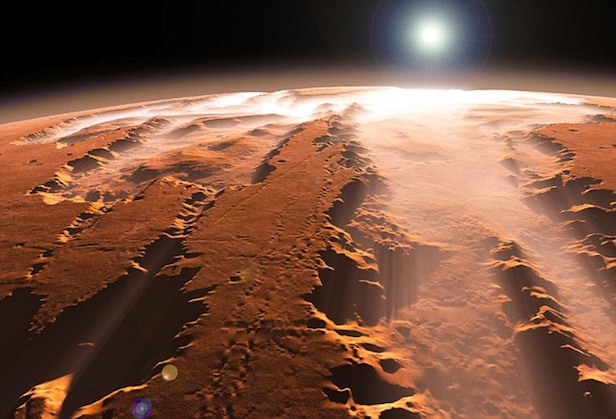
Now, here's where it gets interesting. Mars has some epic features that make it stand out in our cosmic neighbourhood. For starters, it boasts the tallest mountain in the entire solar system - Olympus Mons. This beast of a volcano towers over the Martian landscape at a staggering 22 km high. Imagine skiing down that!
Then there's Valles Marineris, a canyon system that puts even the Grand Canyon to shame. Stretching over 4,000 km (ca. 2,485 mi miles) long and plunging to depths of up to 11 km (7 miles), Valles Marineris could swallow up multiple Earth canyons without breaking a sweat.
Now, let's sprinkle in some Martian trivia to spice things up. Did you know that Mars experiences dust storms that can cover the entire planet for months? These storms can kick up so much dust that they obscure the surface from our view, making it a nightmare for rovers to recharge through their solar panels.
The red frontier, where dreams of exploration ignite in the shadow of Olympus Mons
And speaking of rovers, Mars has been playing host to our mechanical emissaries for decades. From the iconic Sojourner rover to the more recent Curiosity and Perseverance, these robotic explorers have been wandering across the Martian landscape, sniffing out clues about the planet's past and potential for life.
But wait, there's more! The buzz around Mars has been heating up lately, with both manned and unmanned missions making headlines. Just last year, NASA's Perseverance rover touched down in Jezero Crater, kicking off its mission to search for signs of ancient microbial life and collect samples for eventual return to Earth. And let's not forget its trusty sidekick, Ingenuity, the first helicopter to take flight on another planet. Talk about a historic moment!
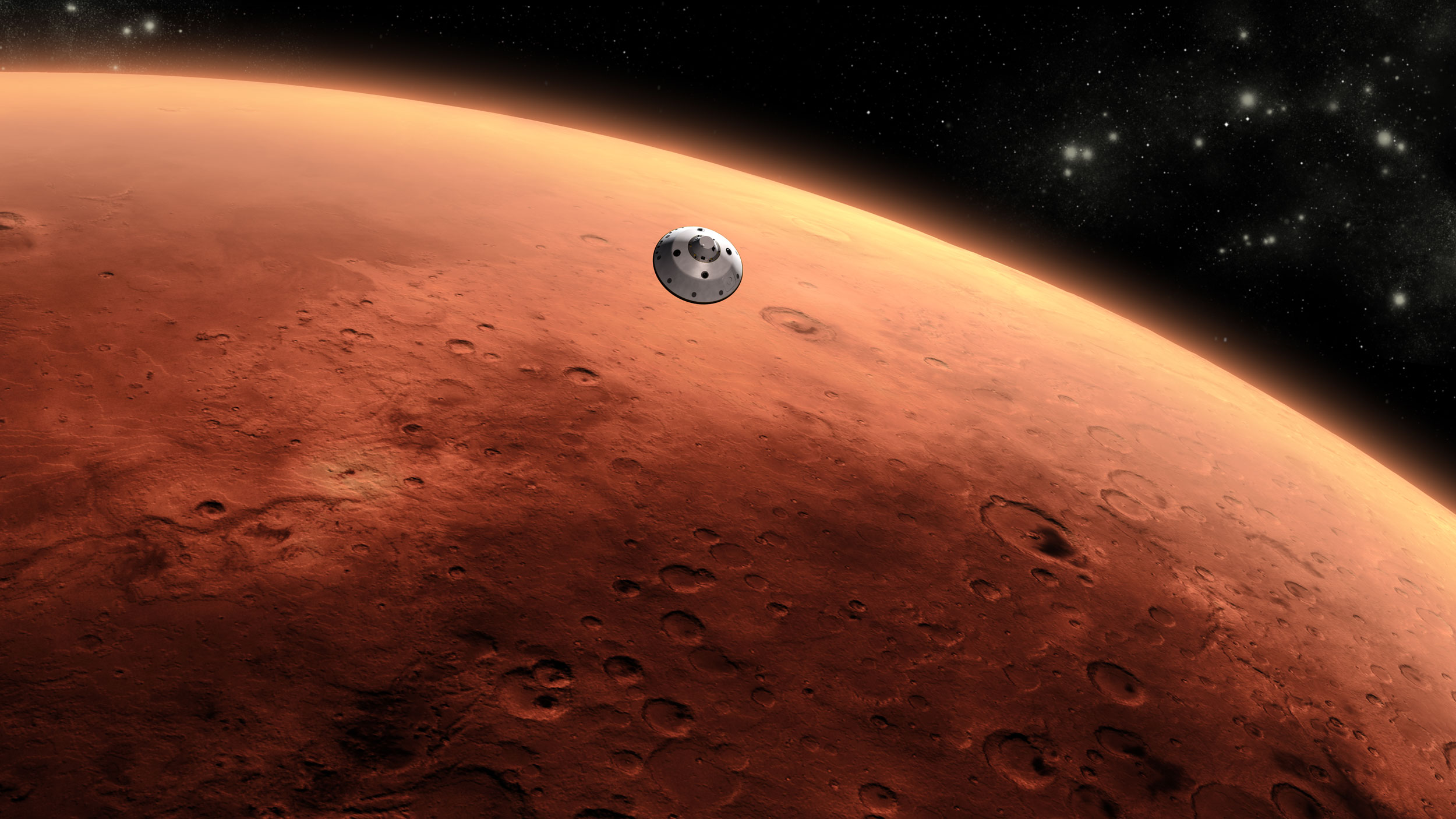
On the manned mission front, plans for sending humans to Mars are no longer confined to the realm of science fiction. Organizations like SpaceX and NASA are actively working on developing the technology and infrastructure needed to make this dream a reality. Elon Musk's ambitious goal of establishing a sustainable human colony on Mars might sound like something out of a sci-fi novel, but with each passing day, it's edging closer to becoming science fact.
So there you have it, folks: a whirlwind tour of the Red Planet. From its towering volcanoes to its elusive dust storms, Mars continues to captivate and inspire us with its mysteries. Whether we're sending rovers to explore its surface or laying the groundwork for human exploration, one thing's for sure: the journey to Mars is just beginning, and the best may be yet to come. Keep your eyes on the sky, because who knows what wonders await us on that distant, dusty world.