
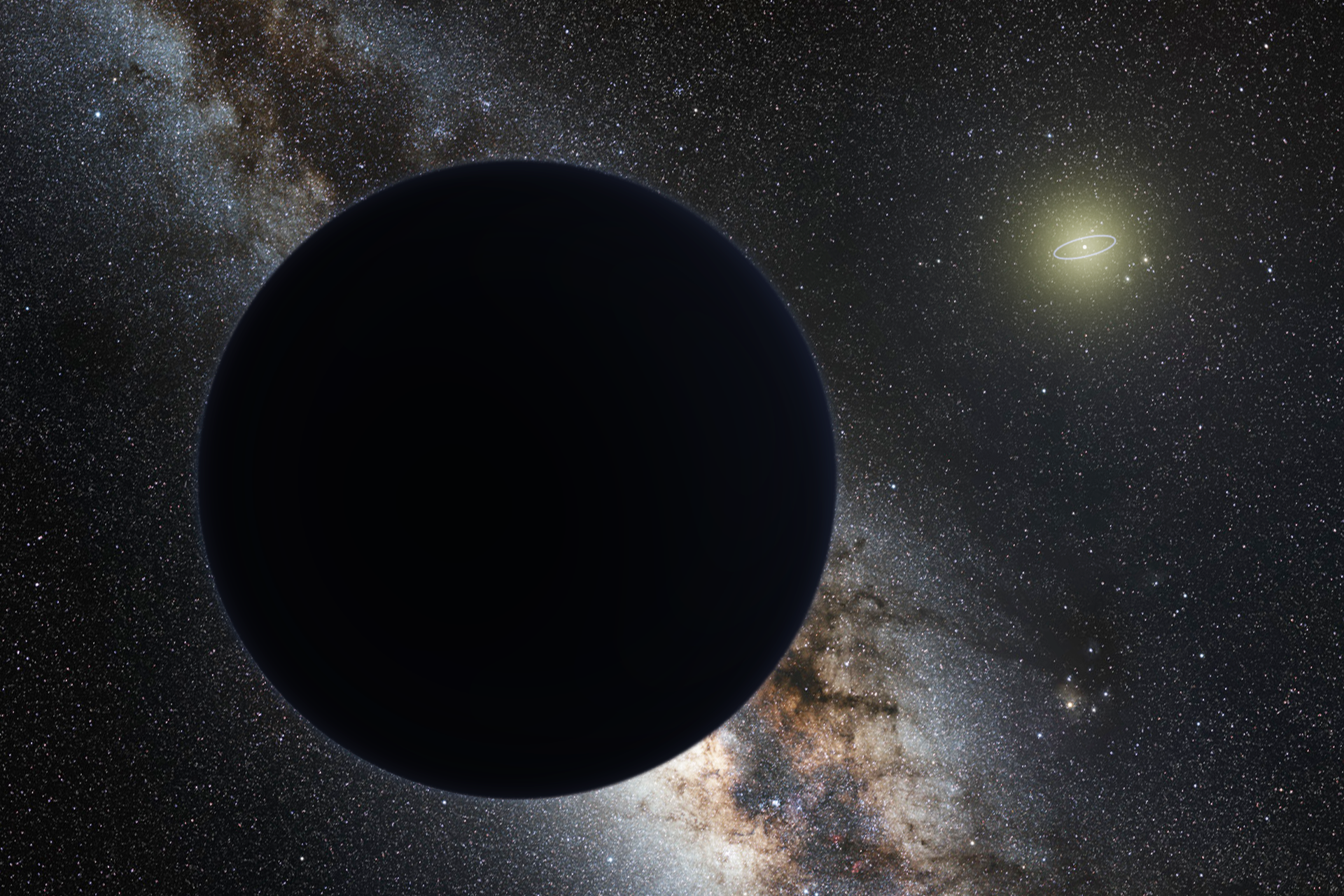
The hunt for Planet Nine
The elusive Planet Nine beckons astronomers on a cosmic treasure hunt, tantalizing with its mysterious gravitational pull and the promise of rewriting the rules of our solar system.
Lost in The Shadows, Where Is Planet Nine ?
Nearly a decade has passed since researchers at the California Institute of Technology (Caltech) observed anomalies in the orbits of certain extreme trans-Neptunian objects (ETNOs)—bodies traversing the outermost reaches of our Solar System, far beyond the orbit of Neptune. What could be causing these perplexing deviations, and have we cracked the mystery?
In 2015, Caltech astronomers Konstantin Batygin and Mike Brown captured global attention when they unveiled evidence of a massive, unseen planet lurking in the distant reaches of our Solar System. Their groundbreaking revelation emerged almost 170 years after the discovery of Neptune, the most recent addition to our known planetary line-up.
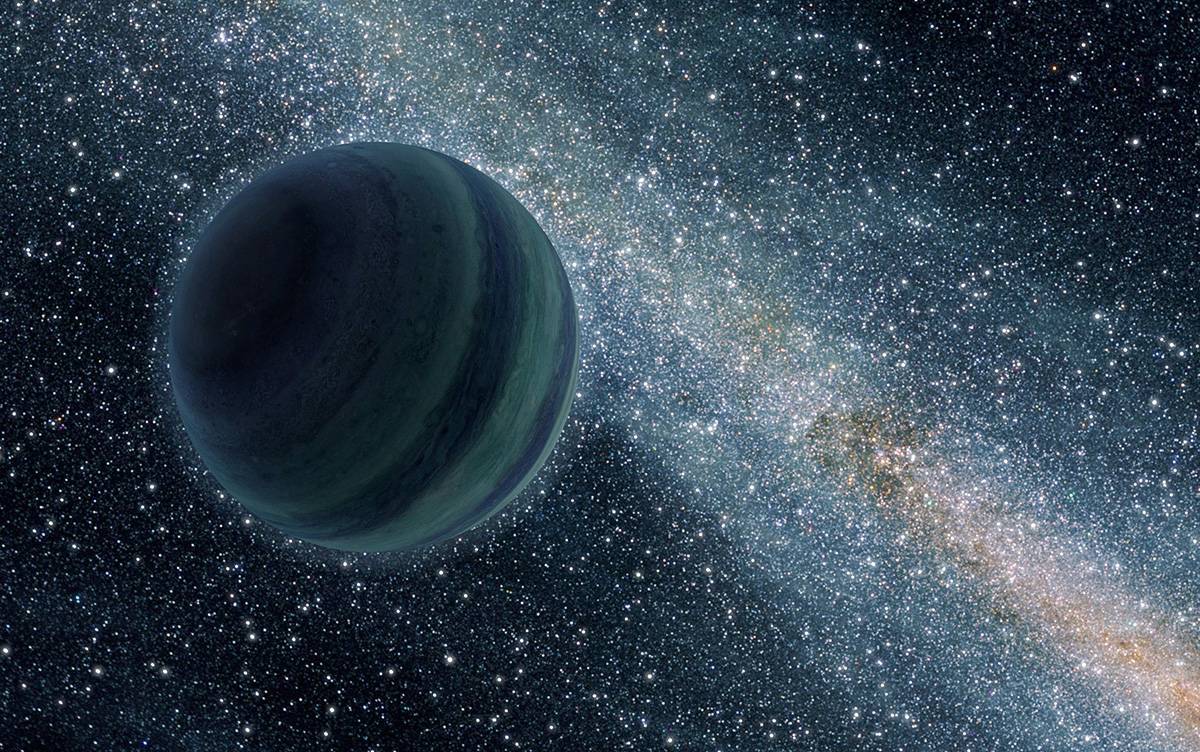
Utilizing intricate mathematical models and sophisticated computer simulations, Batygin and Brown sought to elucidate the peculiar orbital dynamics of dwarf planets and other icy denizens of the Kuiper Belt—a frigid expanse situated at the outskirts of our Solar System. Their compelling explanation pointed to the gravitational influence of an enigmatic celestial body, which they christened "Planet Nine."
However, alternative hypotheses have also emerged, fostering lively debate within the scientific community about the existence of Planet Nine. While some remain sceptical, attributing the anomalies to data artefacts or biases, others entertain the possibility of a primordial black hole or even new physical phenomena. Nevertheless, the quest to locate Planet Nine persists among dedicated astronomers.
In the depths of our cosmic backyard, Planet nine whispers secrets yet unknown
But what precisely are they searching for? Scientists estimate that this enigmatic world boasts a mass approximately 5 to 10 times that of Earth, its appearance ranging from a rocky super-Earth to a gaseous mini-Neptune, potentially resembling Uranus.
Yet, pinpointing a celestial body amidst the vastness of space poses a formidable challenge. Planet Nine is believed to traverse an elongated orbit far beyond Pluto, its elusive nature compounded by its remote location, rendering it faint and sluggish in its movements against the backdrop of the cosmos.
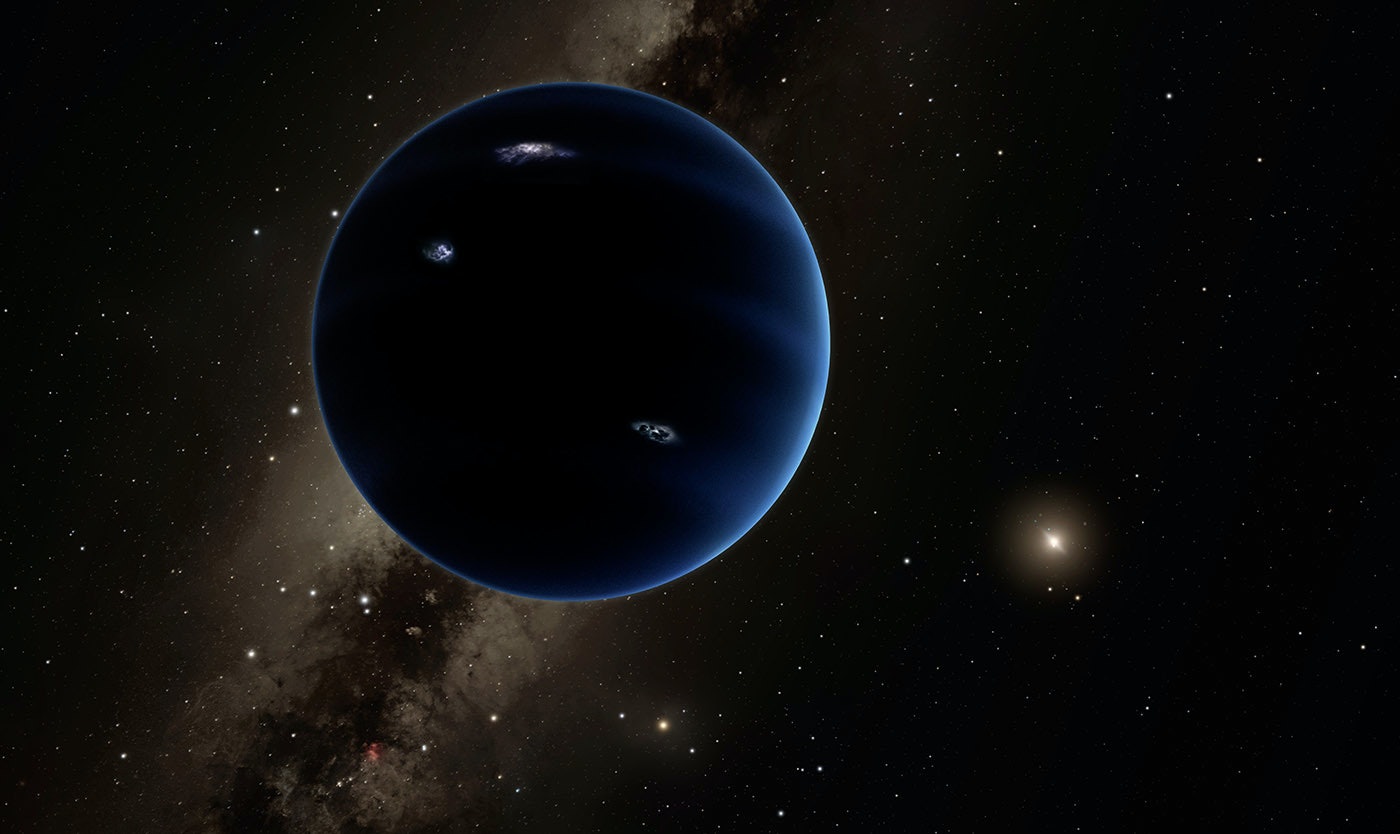
Despite these daunting obstacles, astronomers remain undeterred, harnessing the advanced capabilities of modern telescopes worldwide in pursuit of this cosmic enigma. With ongoing data collection and meticulous analysis, the truth may lie concealed within the archives of astronomical observations.
Will Planet Nine ultimately be unveiled? And if so, will tradition prevail, and the planet be named after a mythological Roman god?
Initially, Konstantin Batygin and Mike Brown coined the term “Planet Nine” for their hypothesized celestial body, alongside the designation “Planet X”, which has persisted since their initial announcement. Nevertheless, the privilege of formally naming any newly discovered celestial body ultimately lies with the individual or team who makes the discovery, subject to approval by the International Astronomical Union.
Personally, the prospect of discovering Planet Nine hidden within the Solar System's depths fills me with excitement, promising a wealth of scientific discoveries. However, the tantalizing possibility of encountering evidence for a primordial black hole, lurking undetected in our celestial neighbourhood, ignites an even greater sense of intrigue, albeit with substantially greater challenges.