
LuxSpace Lab


The Observatory
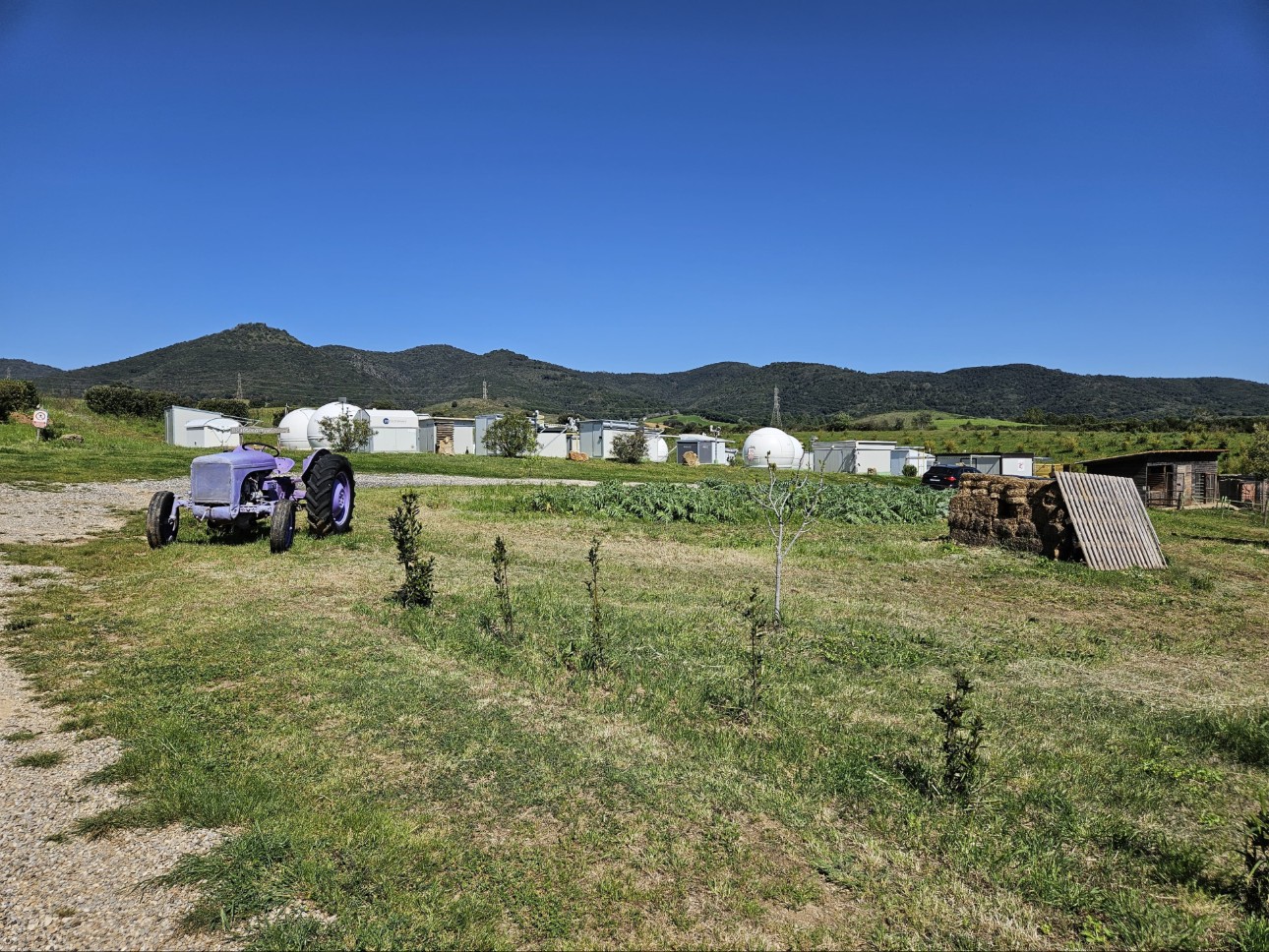
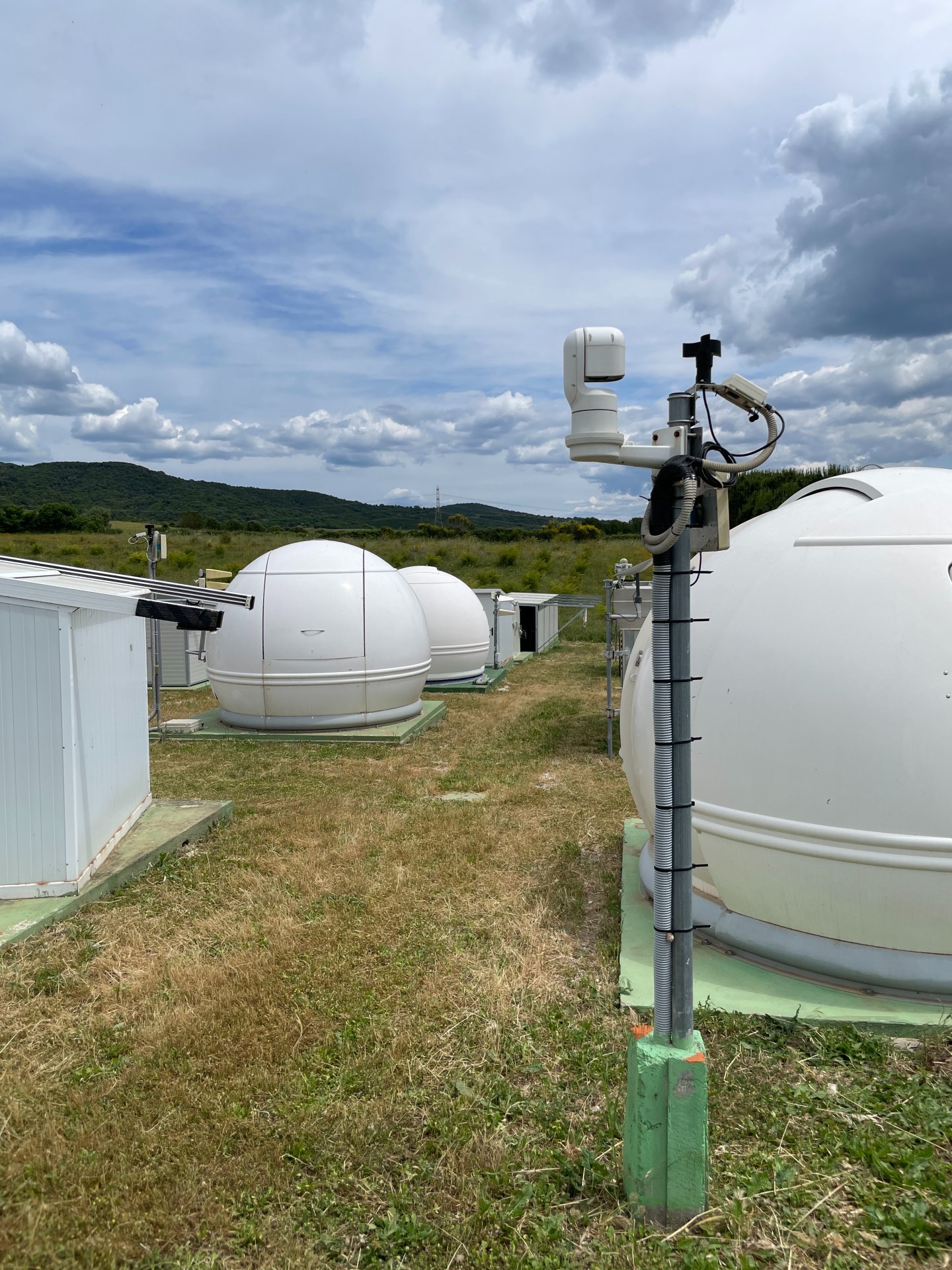
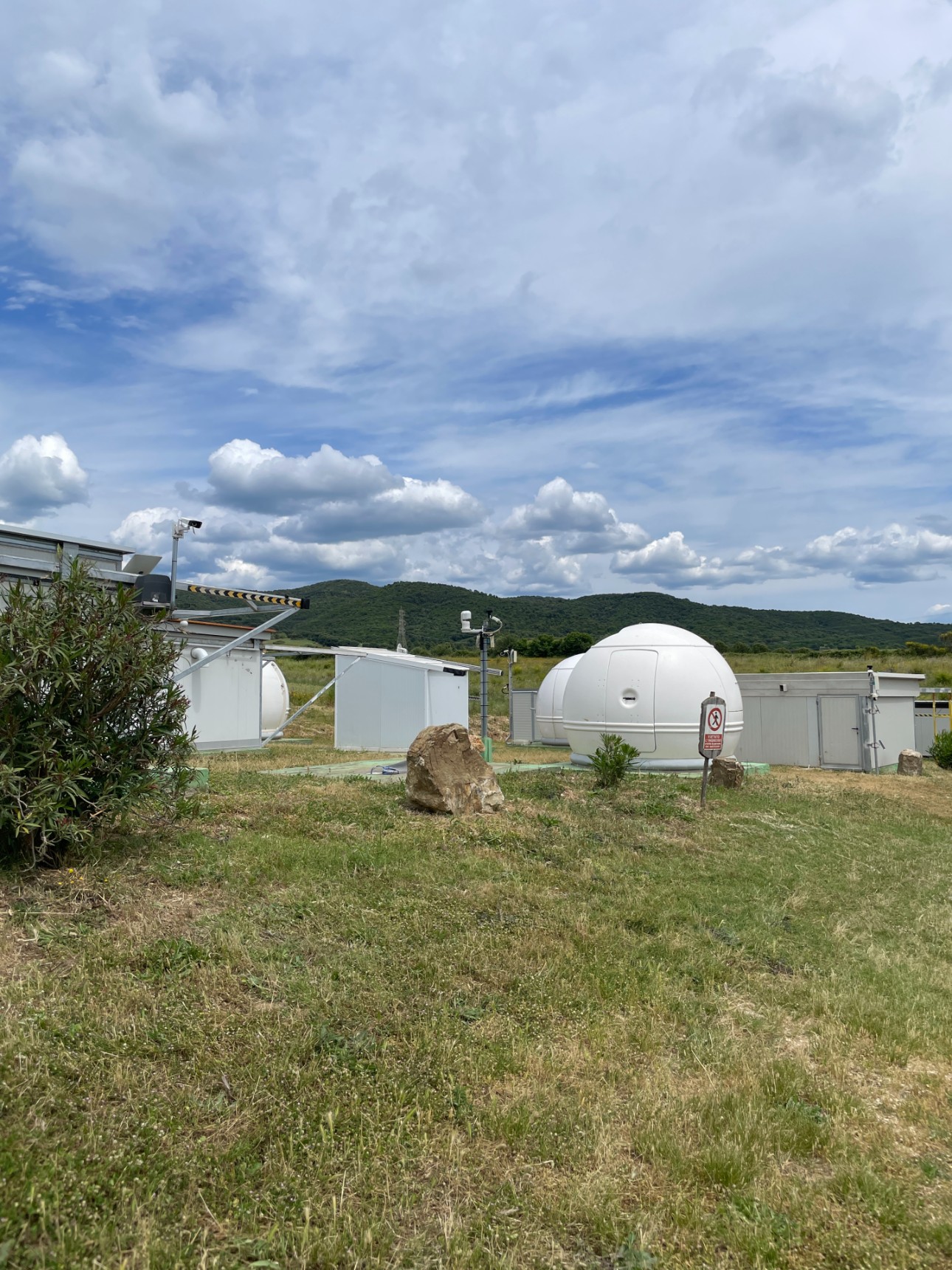
LuxSpace Lab is a remote, fully automated observatory located under the dark skies of Manciano, Italy, engineered for continuous, unattended use.
Hosted by DeepLab and developed by Double A Studios, the observatory is designed for deep-sky imaging and high-quality astronomical data.
Thanks to a carefully planned combination of professional-grade optics, robust automation, and a waterproof workflow, it supports long-term scientific, educational, and creative projects.
Optical Train
Telescope: TS-Optics 12" f/8 RC carbon truss
Camera: Player One Poseidon-M Pro (IMX571)
Filters: Baader SHO 7nm + LRGB (CMOS optimised)
Guiding: Player One OAG Max
Guide Camera: Player One Apollo-M (IMX174)
Focuser: ZWO EAF
Controller: N.I.N.A.
Contact the Observatory
First Light
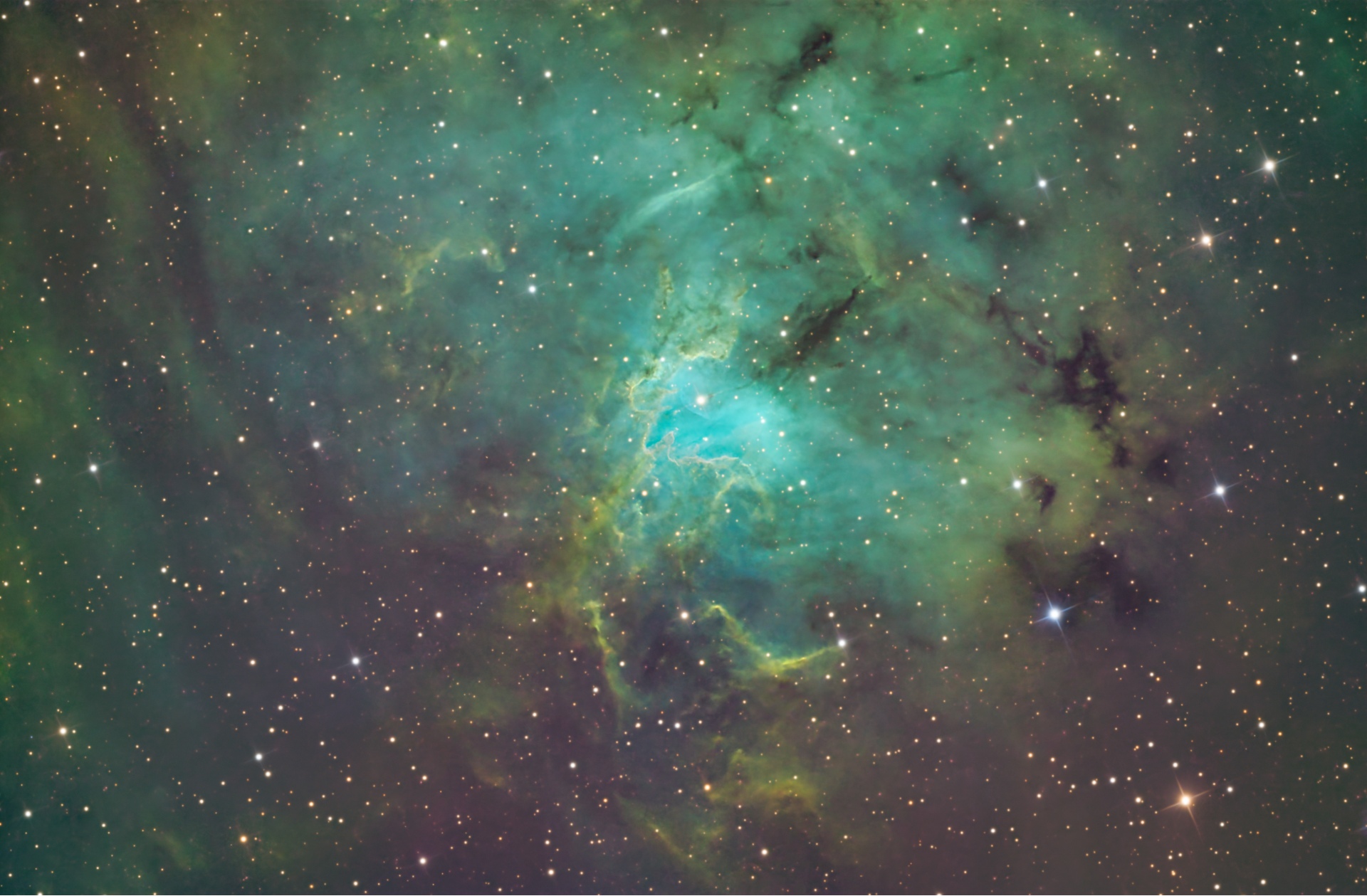
NGC 1491, an emission nebula in the constellation Perseus, marks the first light from LuxSpace Lab. This deep 23-hour integration showcases the observatory’s sensitivity to faint nebulosity and fine structural detail.
Click the image or the link below to read the full article, including acquisition and processing notes.
Galaxy Hunting

NGC 891, an edge-on spiral galaxy in the constellation Andromeda, very similar to the Milky Way. This deep imaging project focuses on the razor-thin disk and its striking dust lane, while gently revealing the faint halo beyond.
Click the image or the link below to read the full article, including acquisition and processing notes.
Purpose & Philosophy
LuxSpace Lab is designed as a high-precision platform for scientific imaging, long-term monitoring and advanced astrophotography. The observatory produces research-grade data suitable for studies of dynamic objects, high-resolution structural analysis, publications, outreach, and education.
Its capabilities bridge artistic imaging, pro-am science and public engagement.
With a sub-arcsecond plate scale, a stable f/8 RC optical system, and a full SHOLRGB filter set, LuxSpace Lab is equipped to capture phenomena that require both depth and resolution — from variable nebulae and compact galaxies to blazars, cataclysmic variables and gravitational lenses.
The observatory supports high-cadence time-domain work, deep integrations, and multi-season monitoring programmes.
